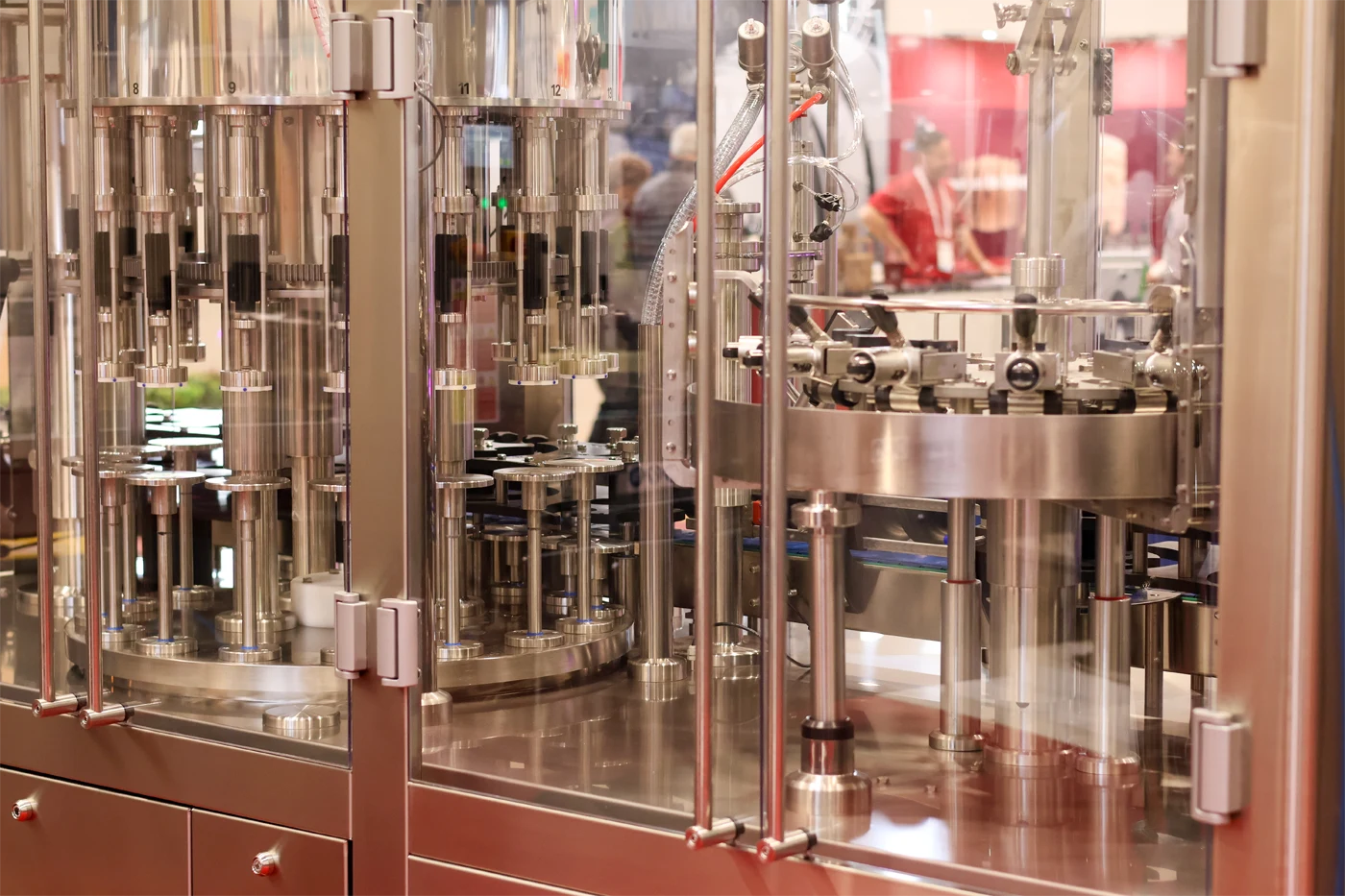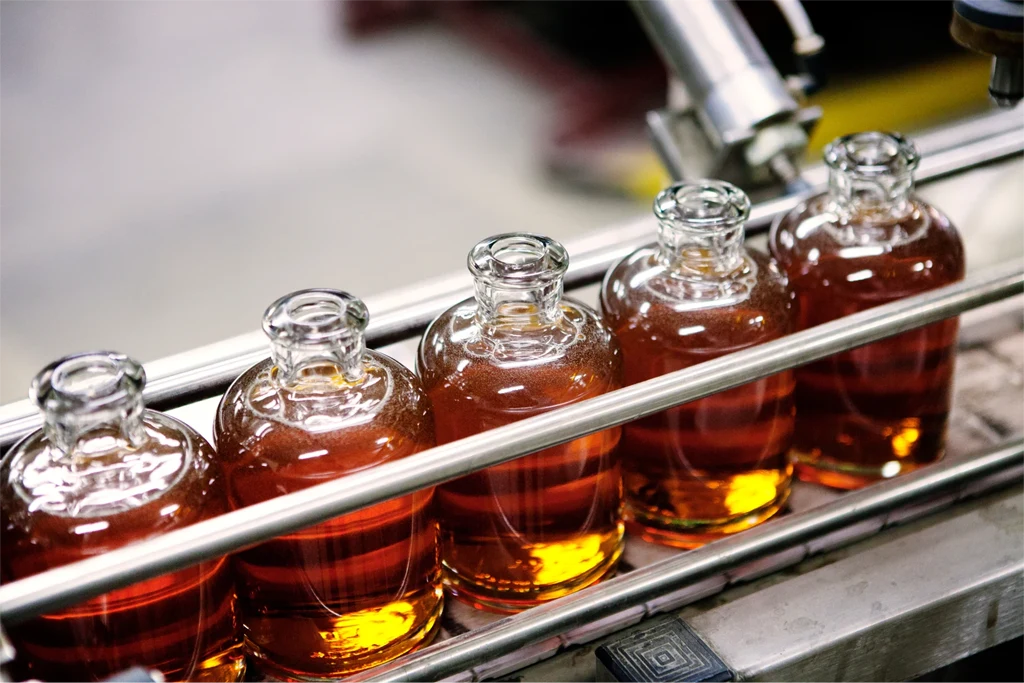
Insights Into Spirit Bottling
Purpose-built for mini bottles, this commercial-grade filling line ensures speed, repeatability and minimal waste – even with high-proof spirits
Labelling is one of those decisions that looks simple until you're standing on the production floor watching a line run slower than it should. The two main configurations - rotary and linear - both apply labels accurately, but they're built around different priorities. Getting the choice right comes down to your bottle count, line speed, available floor space and how many label types you're running. Here's how to work through it.
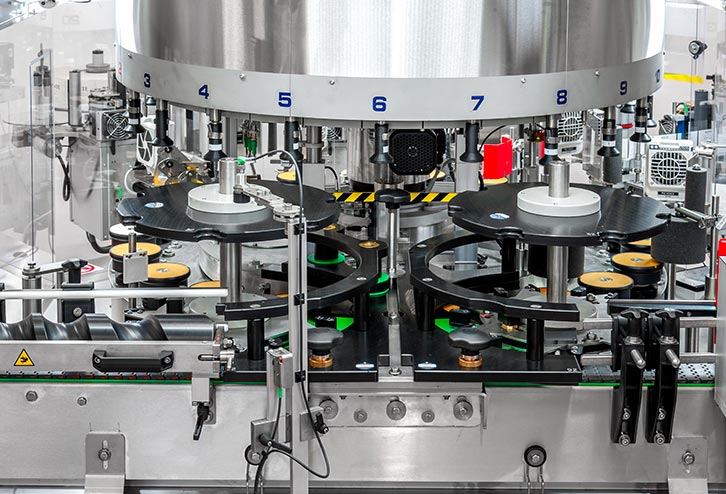
A linear labeller applies labels as containers move past in a straight line, typically using one or more applicator heads mounted along a conveyor. A rotary labeller mounts containers on a rotating turret, with each station applying part of the labelling process as the turret turns. This mechanical difference sounds minor, but the operation difference isn't.
This is usually the deciding factor for production managers.
Linear labellers comfortably handle low-to-mid volume runs, generally up to around 3000-5000 units per hour depending on configuration. For most boutique and mid-sized producers, this range covers production comfortably without over specifying equipment.
Rotary labellers are built for high speed, high volume operations, often exceeding 10,000+ units per hour. If you're running multiple shifts or supplying retail at scale, rotary is usually where the conversation needs to start.
The mistake we see most often is producers buying rotary capacity they won't use for years, carrying the cost and footprint of a machine sized for a production volume that's still aspirational rather than actual.
Linear machines have a smaller, more flexible footprint. They integrate easily into an existing line layout and are simpler to relocate if you reconfigure your production space later.
Rotary machines need a larger, dedicated footprint and are generally not something you reposition casually once installed. If floor space is tight, this alone can rule rotary out regardless of throughput needs.
Linear labellers handle most standard pressure-sensitive and wrap-around label jobs well, and changeovers between label types tend to be quicker and less involved.
Rotary labellers shine when you're running multiple labels per unit - front, back, neck and closure labels applied in a single pass - at high precision and high speed. If your packaging design calls for this level of label complexity at volume, rotary's multi-station capability does the job in one pass that a linear setup would need several to replicate.
Linear labellers carry a lower upfront cost and simpler maintenance profile, which makes them the more accessible entry point for growing operations.
Rotary labellers represent a larger capital investment. However, that investment is easily justifiable at high volume, where the cost per bottle drops and uptime gains pay the machine off - but it's a harder case to make for an operation not yet running at the volume that justifies it.
Ask yourself three questions:
If you're under 5000 bottles per hour, running one or two labels per container, and working with a constrained footprint - linear is almost certainly the right call. If you're scaling past that, running multi-label applications, or supplying at a volume where downtime has real cost, rotary starts to make sense.


A lot of producers fall somewhere in the middle, and the right answer often depends on factors specific to your line - existing conveyor speed, container shape consistency, label stock and growth plans over the next two to three years. Q-Pack works with producers across a range of industries to size labelling equipment to actual production needs, not just catalogue specs. If you want a second opinion before committing, get in touch with our team.
For more information, view our range of Linear Labellers and Rotary Labellers.