Bottling Line Installation At Glenberley Wines

For a new winery, deciding how to bottle is as important as any decision in the vineyard. Bottling offsite works early on, but it means fitting in around someone else's schedule and handing your wine over at the most exposed point in its life. For Glenberley Wines in Waipara, New Zealand, the answer was a bottling line of their own. Q-Pack supplied, installed and commissioned a complete line including a Borelli Euro System monoblock and a Speedy labeller, able to bottle under both screwcap and cork at up to 2000 bottles per hour.

The Customer

Glenberley is a boutique vineyard in North Canterbury, focusing on wine that expresses the region they are based, including local favourites like Sauvignon Blanc, Riesling and Pinot Gris.

The Challenge

Glenberley's wines were being bottled offsite. As their operation continued to grow, they wanted control over when and how their wine was bottled, without relying on a third party.

The new line had to:

  • Bottle standard wine bottles at a rate suited to a boutique producer, with room to grow.
  • Protect the wine from oxygen at every stage, from the empty bottle through to the closure.
  • Offer both screwcap and cork, so closure choice could be made by wine.
  • Apply front and back labels and capsules in the same continuous line.
  • Run with minimal manual handling from start to finish.

The Solution

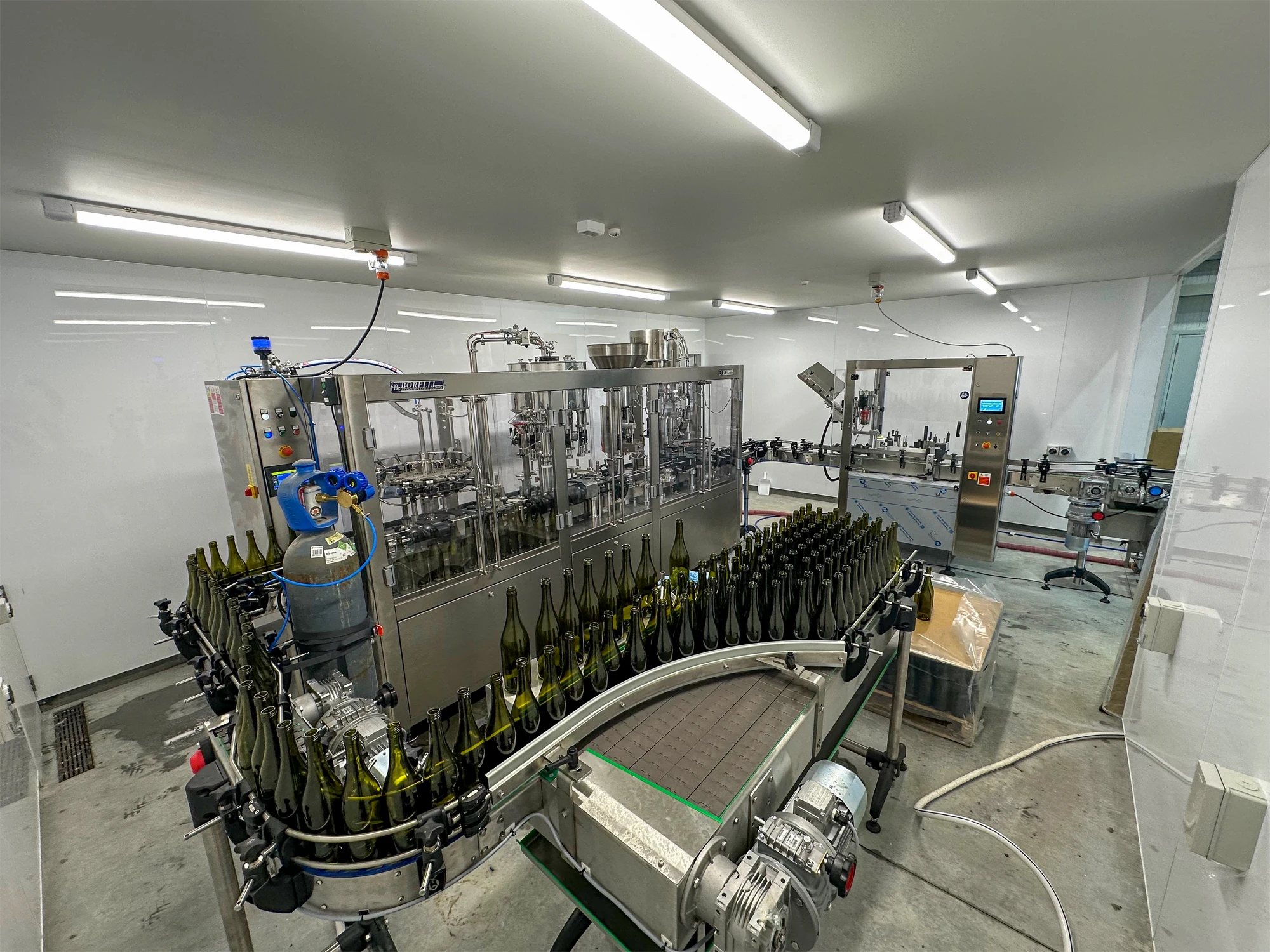
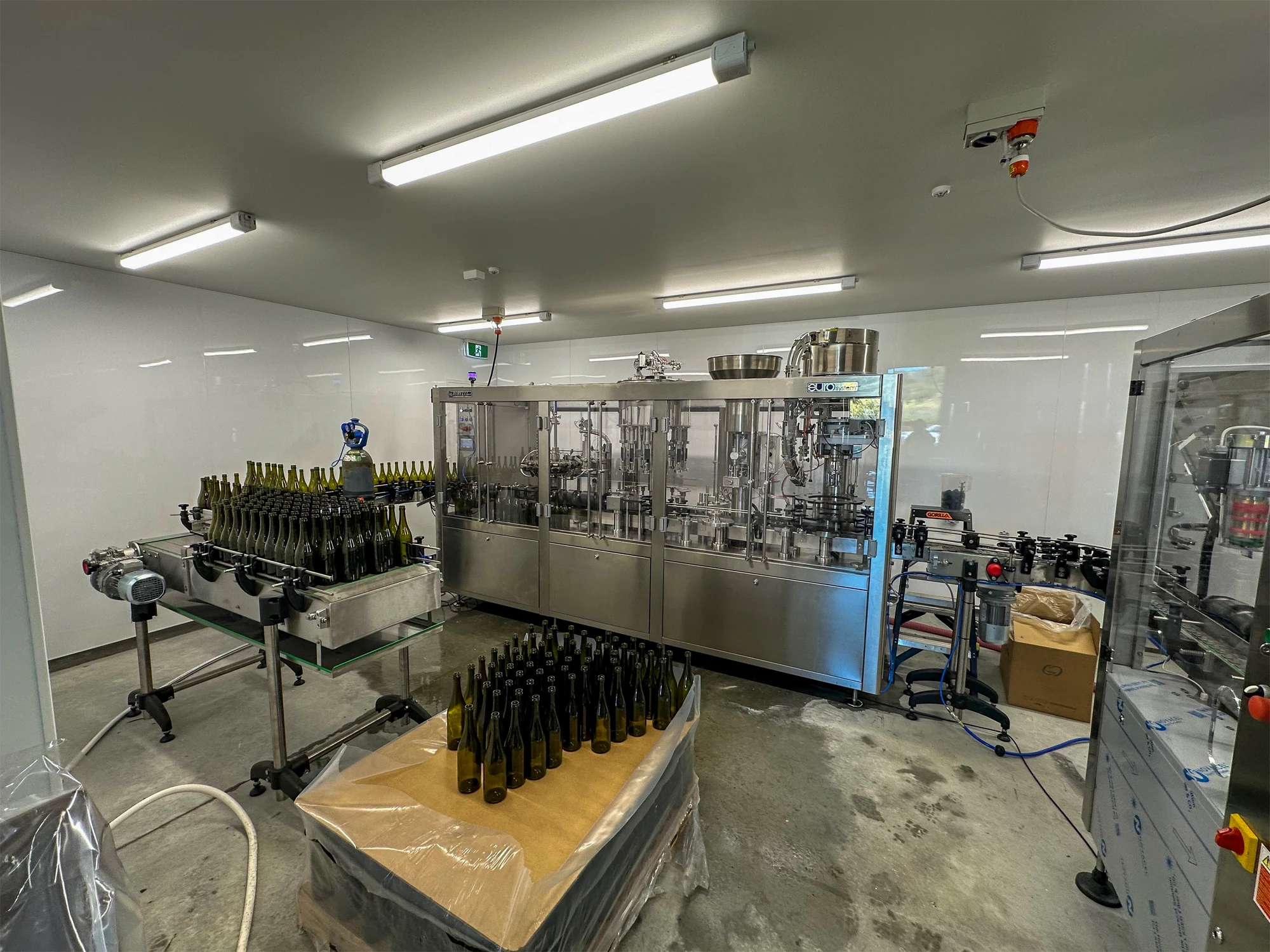
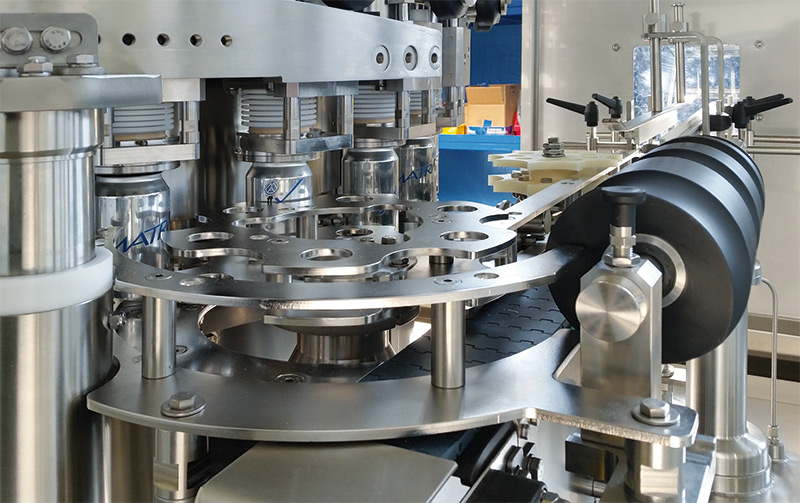
Q-Pack specified a Borelli Euro System XP12C12FSFV monoblock, which rinses, fills and closes in a single compact frame. Fitted with both a capping turret and a corking turret, it lets Glenberley choose screwcap or cork without a second machine.

The monoblock was configured to protect wine quality at every step:

  • 12-head rinser: cleans the bottle before it reaches the filler.
  • Vaccum and sparge station: draws air out of each bottle and replaces it with inert gas before filling, so wine goes into a low-oxygen bottle.
  • 12-head 100% gravity filler: a gentle fill that doesn't stress the wine, with consistent fill levels.
  • Nitrogen sparging in the filling bowl: keeps a blanket of inert gas over the wine while it waits to be filled.
  • Spray balls in the filling bowl: clean the bowl as part of the wash cycle, for simpler and more thorough cleaning between runs.
  • Capping turret (30x60 Stelvin): applies screwcaps with gas sparging under the cap and descending cap movement for consistent application, plus a cap sensor on exit to flag any bottle without a closure.
  • Corking turret for straight corks: draws a vacuum and sparges under the cork before insertion, with cork detection on exit.
  • Overflow sensor on exit: pauses the monoblock if bottles back up downstream.

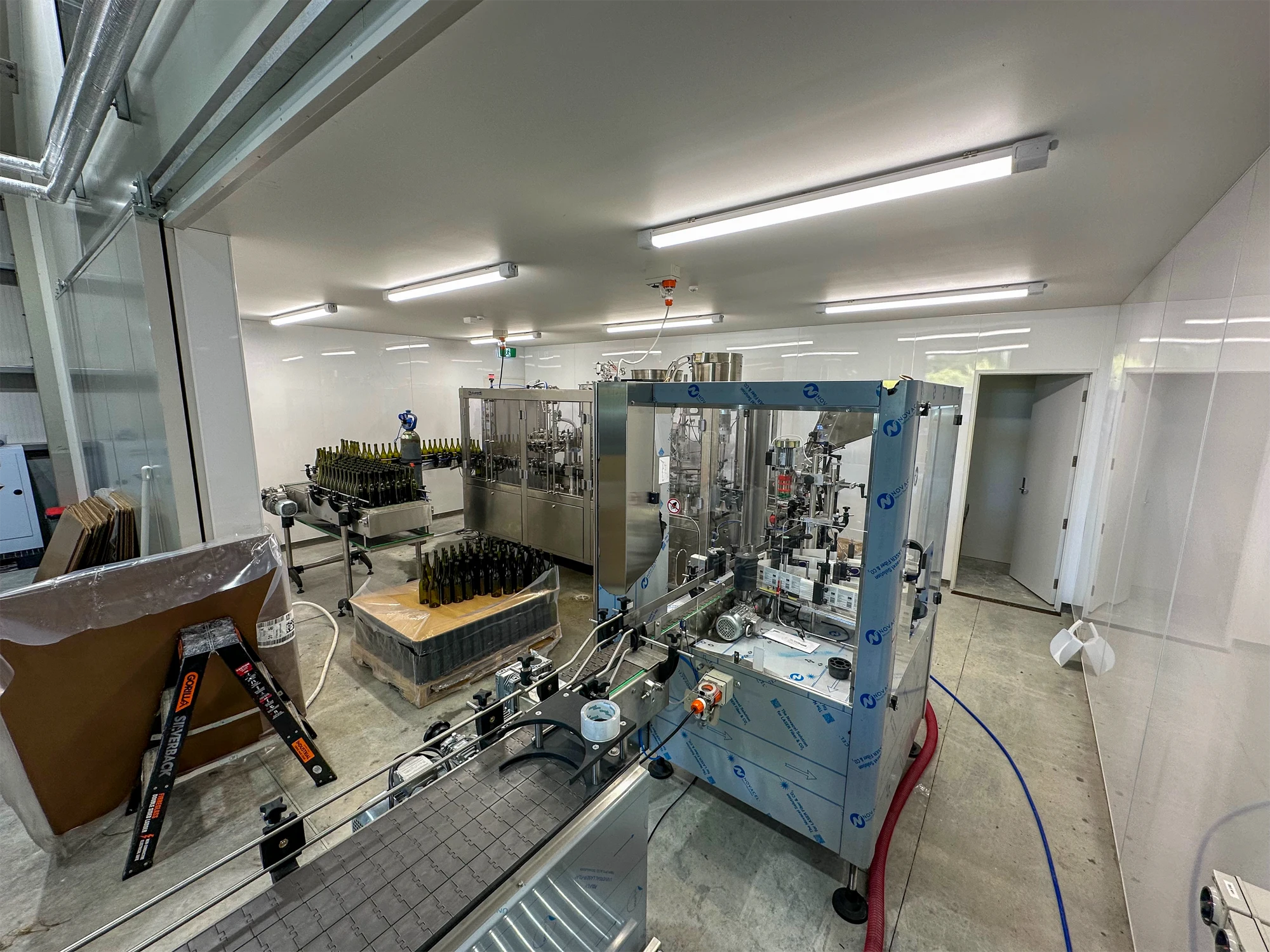
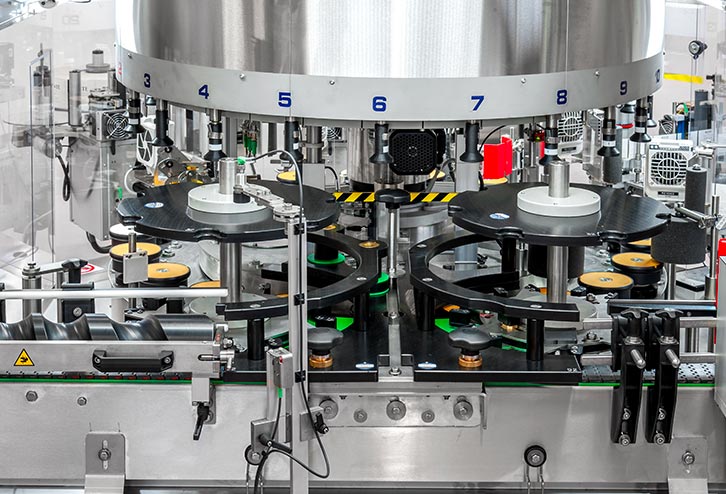
For labelling, Q-Pack supplied an Enos Speedy linear labeller:

  • Front and back labels on round bottles, applied from a single reel to simplify setup and changeovers.
  • Capsule applicator: fully applies polylaminate and tin capsules in line, so corked wines are finished on the same line as everything else.
  • Thermal head: prints codes onto labels as they're applied.
  • Touch-screen control: straightforward setup and adjustment for operators.
  • Overflow sensor on exit: protects the labeller from downstream backups.
Borelli bottling line and Enos labeller install at Glenberley
Labeller and bottling line installation by Q-Pack in New Zealand
Borelli Bottling line installed by Q-Pack
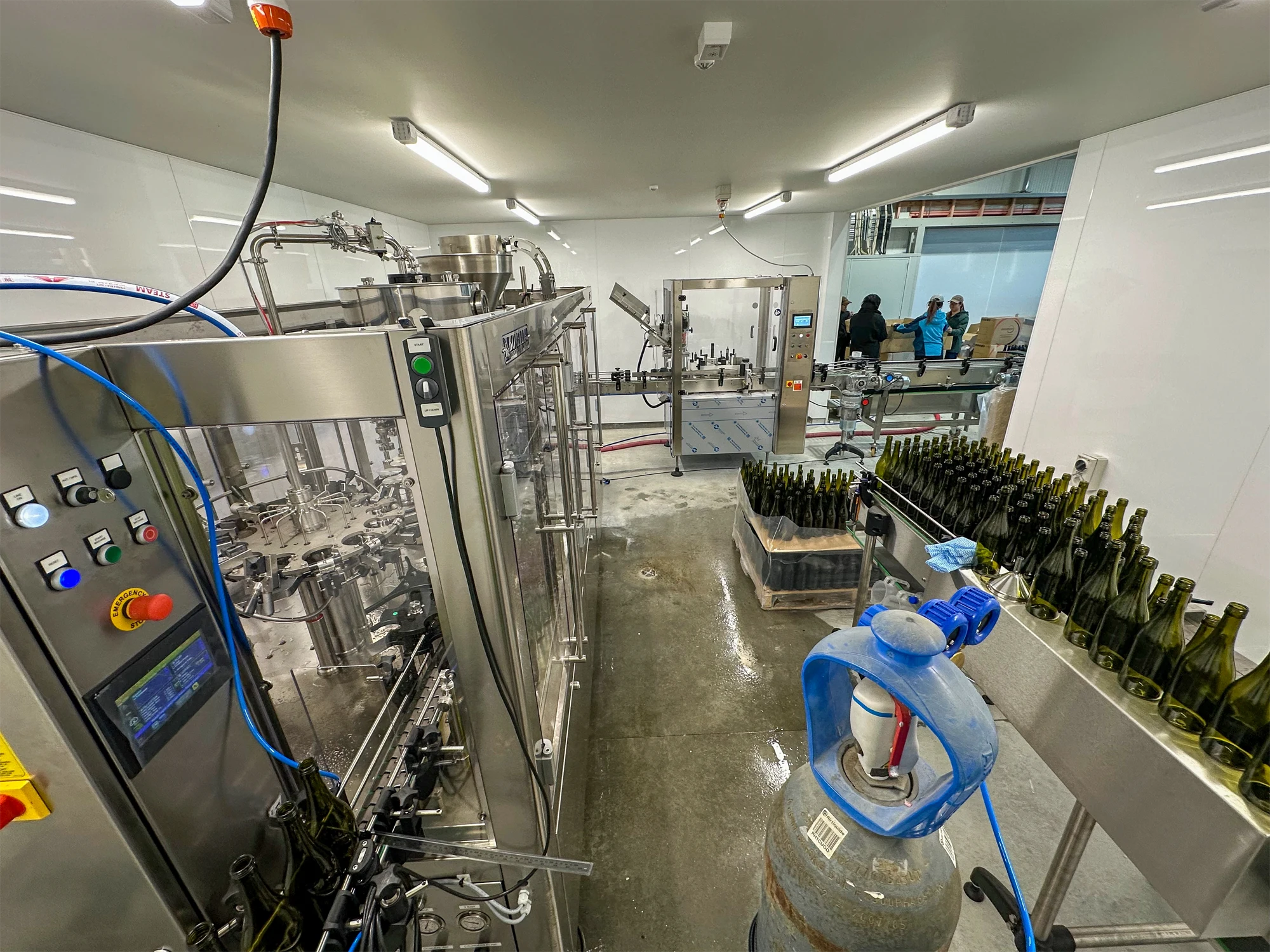
Labeller and bottling line installation by Q-Pack in New Zealand
No items found.

Installation and integration

Q-Pack linked the two machines with feed tables at the start of the line and between the units, so bottles move through without manual handling:

  1.  A feed table delivers empty bottles to the monoblock.
  2. The Borelli Euro System rinses, evacuates and sparges each bottle, gravity fills, then closes it under screwcap or cork.
  3. A feed table between the units buffers bottles on their way to the labeller, so a short stop at either machine doesn't halt the whole line.
  4. The Speedy applies the capsule and the front and back labels.
  5. A detachable pack-off table collects finished bottles for packing. It can be removed when not in use.

Q-Pack's technicians travelled from Australia to install and commission the line at Glenberley.

The Result

Glenberley now bottles in-house, on their own schedule, on a line that runs at up to 2000 bottles per hour. Oxygen is managed at every point where the wine is exposed: the bottle is evacuated and sparged before filling, the filler bowl sits under nitrogen, and the headspace is sparged before the screwcap or cork goes on. Every bottle leaves the line checked for a closure, capsuled where needed, and labelled front and back.
  • Bottling brought in-house, with no reliance on offsite bottling.
  • Screwcap and cork on one line, chosen wine by wine.
  • Vacuum and inert gas protection from empty bottle to closure.
  • Gentle 100% gravity filling with consistent fill levels.
  • Front and back labels and polylaminate or tin capsules applied in line.
  • Closure detection and overflow sensors protecting the line.
  • Capacity of up to 2000 bph, with room to grow.
Share this post
https://www.q-pack.com.au/resources/glenberley-wines-bottling-line-installation